
A surprising amount of your team’s know-how already exists as video — just not your video. The tool vendor’s official walkthrough. A conference talk that explains your exact setup. The fifteen-minute tutorial a teammate found that finally makes the reporting module make sense.
Video is a great way to learn something once and a terrible way to reference it later. Nobody scrubs through fifteen minutes of footage to re-find the one step they forgot. So the knowledge gets watched, absorbed imperfectly, and lost.
Paste a link, get a document
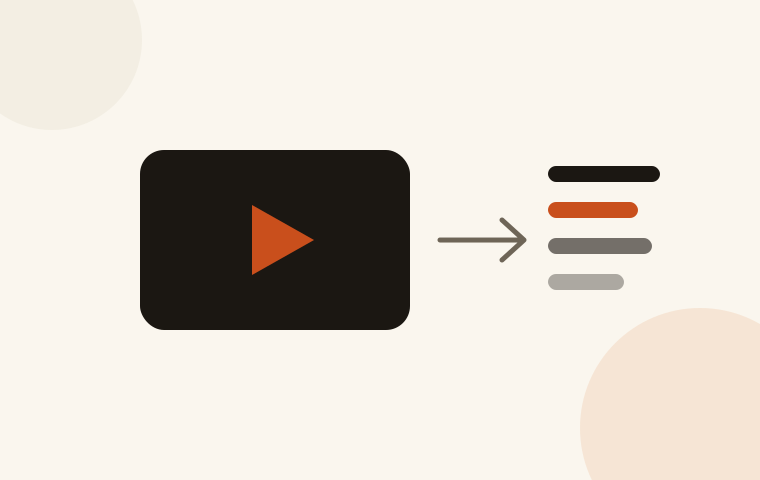
Routinly’s YouTube import closes that gap. Paste any YouTube URL — no downloading, no screen-capturing a video that already exists — and the same AI pipeline that processes your own recordings goes to work: it detects the discrete actions shown in the video, writes a numbered instruction for each, and pulls the matching frame as the step’s screenshot.
Fifteen minutes of tutorial becomes a two-page guide your team can skim in thirty seconds, search, and reference forever.
What teams build with it
- Tool libraries. Import the vendor’s official tutorials for every tool in your stack, and new hires get consistent written guides instead of a playlist and good luck.
- Training digests. That excellent-but-long walkthrough your team keeps re-sharing becomes a document people actually finish.
- Client-ready instructions. Agencies import platform tutorials, then edit and re-export them in their own branding as client handoff docs.
Once imported, the guide is a normal Routinly SOP: edit any step, apply your team’s writing tone, then share a link or export to PDF, Markdown, or HTML.
One honest caveat
You’re responsible for having the right to use the content you import — the same as with anything you upload. Public tutorials from your own vendors are the sweet spot; someone else’s paywalled course is not.
YouTube import is available on every plan, including Free. Find a tutorial worth keeping, paste the link, and see what your team’s video bookmarks look like as an actual library.